Insider tips for Thamesmead office flower subscriptions
Posted on 22/10/2026
If you are looking into Insider tips for Thamesmead office flower subscriptions, chances are you want your workplace to feel a bit brighter without adding another task to someone's already-full to-do list. Fair enough. A good office subscription should make the space feel welcoming on Monday morning, stay presentable all week, and not become one more thing that gets forgotten by Friday.
In Thamesmead, where offices can range from compact shared spaces to busier front-of-house receptions, the trick is not just choosing flowers. It is choosing the right rhythm, the right style, and the right level of upkeep for how your team actually works. This guide pulls together practical, local-minded advice so you can make a better decision, avoid the usual mistakes, and get more value from every delivery.
Let's get into the useful stuff.

Why insider tips for Thamesmead office flower subscriptions matters
Office flowers are not just decoration. In a working environment, they shape the first impression visitors get, they soften hard interiors, and they make a reception desk or meeting room feel cared for. That matters in Thamesmead as much as anywhere else in London, maybe more than people admit. A tidy office with fresh flowers simply feels more settled. You notice it the moment you walk in.
The "insider" part matters because subscriptions can be deceptively simple. On paper, they are easy: choose a style, set a frequency, and receive fresh flowers. In reality, there are small decisions that make a big difference. Should you go for a vase-ready arrangement or a hand-tied design? Weekly, fortnightly, or monthly? Bold colours for a lively office, or something softer so it does not clash with branding? These little choices are where value is won or lost.
There is also a practical side. Offices have heating, air conditioning, low light in some corners, and a hundred tiny disturbances people never think about. Flowers behave differently in those conditions. A good subscription takes that into account. A poor one looks lovely on delivery day and tired by Wednesday. Not ideal, to be fair.
Expert summary: the best office flower subscription is the one that fits your space, your schedule, and your maintenance habits. Pretty is important. Practical is what keeps it working.
How insider tips for Thamesmead office flower subscriptions works
A flower subscription for an office is usually a recurring service where blooms are delivered on a regular schedule. The arrangement may be seasonal, custom-selected, or based on a preferred colour palette. Some businesses like full florist discretion; others want the same look every time so the office has a consistent feel. Both approaches can work.
Most subscriptions follow a simple flow:
- Choose the delivery frequency. Weekly tends to suit busy receptions or client-facing offices, while monthly can work for smaller teams or less trafficked spaces.
- Set the style. This might include colour preference, flower type, vase size, and whether you want compact desk arrangements or larger feature pieces.
- Confirm delivery details. In an office setting, this includes access instructions, a reliable contact, and whether flowers should go to reception, a loading area, or a specific floor.
- Receive and place the arrangement. A good delivery should arrive ready to display with minimal fuss.
- Maintain between visits. That usually means topping up water, trimming stems if needed, and removing any fading blooms.
The best office subscriptions often feel almost invisible in the best possible way. They arrive, they fit, and they quietly make the space better. That's the goal. No drama, no flower-related admin spiral, no vase hunt around the office kitchen at 9:15 on a Monday.
Some providers also allow occasional swaps for seasonal stems or special dates like client meetings, staff appreciation events, or office celebrations. If your workplace has a bit of rhythm to it, that flexibility can be useful. It keeps the subscription feeling alive rather than stuck in a routine.
Key benefits and practical advantages
There are obvious benefits to office flowers, but the practical gains are often what persuade businesses to keep the subscription going. The right arrangement can do several jobs at once.
- Improves first impressions: a fresh display at reception signals care, attention, and professionalism.
- Softens the workspace: flowers break up hard lines, screens, and neutral office furniture.
- Supports morale: a nicer environment can make everyday work feel a bit less flat. Not magic, just helpful.
- Saves time: subscriptions remove the need for repeated one-off ordering.
- Creates consistency: the office always looks presentable, even on the weeks nobody has time to think about it.
- Can align with branding: colours and arrangement styles can reinforce your company identity.
- Reduces decision fatigue: once the preferences are set, the system keeps working.
There is another benefit that gets overlooked. Flowers quietly communicate standards. If a client walks into a meeting room and sees the space is cared for, it can shape their impression before the conversation even begins. That may sound small, but small things matter in business spaces.
And if your office has staff who spend long hours indoors, a well-placed arrangement can add just enough softness to balance the environment. You do not need a giant display. Often a smaller, well-chosen one is better.
Who this is for and when it makes sense
Office flower subscriptions make sense for a surprisingly wide range of workplaces in Thamesmead and the surrounding SE2 area. They are not just for large corporate receptions or glossy client lounges. In practice, they work best where a business wants the space to feel more polished without constant manual effort.
This is especially useful for:
- Client-facing offices that need a tidy, welcoming reception area.
- Shared workspaces where atmosphere matters and the environment is used by many people.
- Small businesses that want a professional feel without employing an in-house facilities team.
- Professional practices such as consultancies, agencies, or studios where appearance forms part of the brand.
- Offices hosting regular meetings with partners, contractors, or visitors.
- Businesses marking staff milestones or building a more thoughtful workplace culture.
It is also worth considering the office routine. If your team is in and out, or if reception is often unattended, then hardy arrangements in sturdy vases usually make more sense than delicate designs. If you have a front-of-house team that keeps things neat, you can be a bit more adventurous.
Truth be told, the worst fit is an arrangement chosen because it looks beautiful online but does not suit the actual office. That happens more often than people think. The room is the boss here, not the catalogue.
Step-by-step guidance
If you want to get office flowers right from the start, follow a simple process. You will save time later, and the result will feel much more intentional.
1. Start with the space, not the stems
Look at the office first. Where will flowers sit? How much natural light is available? Is the room warm, cool, or a bit draughty near the door? A reception desk under bright lighting will need different choices from a meeting room tucked away from the windows. This bit sounds obvious, yet it gets skipped all the time.
2. Decide what the flowers need to do
Are they there to impress clients, lift the mood, support a brand colour, or simply make the office feel less bare? One display can do more than one job, but deciding the main purpose helps with size, style, and budget.
3. Choose a delivery frequency that matches usage
A busy office with visitors all week may need weekly changeovers. A quieter site might do better with fortnightly or monthly deliveries. More frequent is not always better. Sometimes a slightly longer cycle is enough, especially if the flowers are chosen for durability.
4. Pick a style that works in real life
For offices, mixed seasonal arrangements are often a strong option because they feel fresh without being too fussy. Vase arrangements are convenient for busy teams. Hand-tied bouquets can be lovely too, though they need a little more handling. If no one wants to deal with flowers, ask for a ready-to-display solution. Simple wins.
5. Set clear preferences
Colour palette, fragrance level, flower type, and budget range all matter. Some workplaces prefer low-scent flowers because of shared spaces or sensitivity concerns. Others want cheerful colour, especially in darker interiors. Be specific. It helps more than you would expect.
6. Confirm delivery logistics
Make sure the florist knows opening hours, access instructions, parking or drop-off limitations, and who can receive the order. Office delivery can go sideways when nobody knows the loading bay protocol. It's the sort of detail that sounds boring until it causes a delay.
7. Build in light maintenance
Even the best subscription benefits from basic care. Assign someone to top up water, remove spent leaves, and keep the vase area clean. This does not need to be a grand duty. A minute here and there is enough.
8. Review after the first few deliveries
After two or three cycles, ask whether the arrangement size, style, and schedule are actually working. If the flowers are lasting too long and looking tired at the end, the cycle may need tightening. If they are still perfect when the next delivery arrives, you may be over-ordering. Adjusting is normal. In fact, it is smart.
Expert tips for better results
Here is where the real value tends to sit. A few small choices can make a subscription feel much more polished without adding cost or complexity.
Choose flowers with office conditions in mind
Flowers behave differently in office environments. Heat from radiators, air conditioning, and frequent door opening can shorten vase life. Sturdy seasonal stems usually perform better than ultra-delicate blooms in these settings. If your office is warm and bright, ask for varieties that tolerate it better.
Keep the colour story simple
Too many colours can make an office feel busy. A restrained palette often looks more professional. White and green is clean. Soft pinks feel friendly. Purples and deep tones can look more refined. Mixed colour can work too, especially in creative workplaces, but there should still be a sense of order.
Think in terms of scale
One oversized arrangement in a small reception can feel overpowering. Three tiny posies in a large lobby can disappear. Get the scale right and the room instantly feels better. This is one of those things people notice without knowing why.
Use flowers to support the brand, not compete with it
If your office has strong branding already, the flowers should complement it. For instance, a calm professional service may benefit from understated arrangements, while a creative studio might want more unusual textures or seasonal colour. The flowers should feel like part of the space, not an argument with it.
Plan for seasonal changes
Seasonal variation keeps subscriptions from feeling stale. In spring, you might want lighter, brighter arrangements. In autumn, richer tones can feel more grounded. Winter displays can be simple and elegant rather than dense. A florist with a good eye can handle this, but it helps to say you want seasonal movement rather than the same arrangement every time.
Ask about vase-ready delivery
If the office does not have a dedicated person to arrange flowers, vase-ready is the sensible route. It reduces handling, limits mess, and means the arrangement looks right immediately. Less faff, basically.
Use subscriptions for more than reception
Some offices place one display in reception and smaller arrangements in meeting rooms or breakout areas. That can work well if the budget allows it. Even a single hallway arrangement can lift a dull corridor. You know the sort of corridor - a little too beige, a little too quiet.
Common mistakes to avoid
Most subscription problems are predictable. The good news is that they are avoidable once you know what to watch for.
- Choosing only by appearance: a beautiful picture does not tell you whether the flowers suit your office conditions.
- Ignoring maintenance: even low-maintenance flowers need water and basic care.
- Setting the wrong schedule: too frequent can waste money; too infrequent can leave the office looking tired.
- Underestimating access issues: reception closures, security barriers, and delivery windows matter more than people expect.
- Overcomplicating colour choices: the more complicated the brief, the harder it is to keep the result consistent.
- Forgetting about sensitivity concerns: strong fragrance or pollen-heavy varieties may not suit everyone.
- Not reviewing performance: a subscription should evolve if the office changes.
A common one, and this is a bit painfully human, is ordering a lovely arrangement and then realising nobody in the office knows where to put it. The flowers arrive. Everyone admires them. Then the hunt for a vase begins. Avoid that. Decide the setup in advance.
Another easy mistake is assuming all offices need the same style. They do not. A quiet professional office and a lively collaborative workspace are after different things. Same service, very different feel.
Tools, resources and recommendations
You do not need a complicated toolkit to make a subscription work well. The point is to keep things easy, tidy, and repeatable.
- Reliable vase or container: choose something stable, easy to clean, and proportionate to the display.
- Simple care routine: fresh water, clean surfaces, and quick removal of dying leaves go a long way.
- Delivery contact list: keep a named office contact, opening hours, and access notes in one place.
- Basic styling guide: note preferred colours, tones, and any flowers to avoid.
- Budget range: set a clear monthly or per-delivery range so decisions stay realistic.
- Feedback loop: a quick note after each delivery can help refine the next one.
If you want to browse styles and gifting ideas alongside office arrangements, a few product pages can help you get a feel for range and tone. For example, a florist choice arrangement is useful when you want flexibility, while luxury flowers can suit a more high-end reception area. For seasonal variety, look at summer flowers or autumn designs. And if you are planning a workplace gift or client thank-you alongside a subscription, corporate gifting may be worth exploring.
For office teams that want a straightforward starting point, subscription options such as 3 month flower subscription, 6 month flower subscription, and 12 month flower subscription are a practical way to test what works without overcommitting too soon.
Law, compliance, standards, or best practice
For office flower subscriptions, compliance is usually more about sensible business practice than heavy regulation. Still, a few points are worth keeping in mind.
If flowers are delivered into a workplace, the office should have a clear process for accepting goods safely and promptly. That may sound basic, but it helps avoid blocked entrances, missed deliveries, and water spillages in shared areas. Good practice also means making sure arrangements do not create obvious trip hazards or obstruct escape routes. That one is common sense, but it is easy to overlook if a display is large.
From a people perspective, sensitivity matters. Some flowers are heavily scented, and some workplaces have staff or visitors with allergies. A considered florist will usually help with lower-scent options, sturdier stems, and cleaner presentation. If the office environment includes clients, staff, or visitors with specific needs, a simple note in the brief can make a real difference.
It is also wise to think about sustainability, packaging, and waste. If your business has environmental goals, ask how packaging is reduced, how materials are disposed of, and whether substitutions can be made with seasonal stems. Many offices now prefer this approach because it aligns with broader responsible-business expectations. For the same reason, it can help to read a company's sustainability information, its delivery guidance, and its terms and conditions. If you need to understand service standards and issue handling, the returns and refund page and guarantees page are also useful reading.
In short: keep the arrangements safe, considerate, and easy to manage. That is the standard most offices should aim for.
Options, methods, or comparison table
Different subscription styles suit different office needs. Here is a simple comparison to help you decide which route is most practical.
| Option | Best for | Pros | Things to watch |
|---|---|---|---|
| Weekly subscription | Busy receptions, regular visitors, premium office environments | Always fresh, strong visual impact, easy to keep polished | Higher cost and more frequent handling |
| Fortnightly subscription | Medium-use offices and shared workspaces | Good balance of freshness and value | Needs flowers that last reasonably well |
| Monthly subscription | Smaller offices or lower-traffic spaces | Lower admin, less frequent delivery | May not stay fresh enough in warmer rooms |
| Florist choice | Offices that want variety without too much decision-making | Seasonal, flexible, often better value | Less control over exact stem selection |
| Fixed-style arrangement | Brands with clear visual identity | Consistency, easy briefing, neat look | Can feel repetitive if never refreshed |
One simple rule helps here: if the flowers are part of client experience, lean toward consistency and frequent refreshes. If they are mainly for internal atmosphere, you can be more flexible on style and cadence. That little distinction saves a lot of overthinking.
Case study or real-world example
Picture a Thamesmead office with a small reception, two meeting rooms, and a shared kitchen area. The team wants the place to feel more polished for visitors, but they do not have time for weekly floral admin. At first they considered a large arrangement for reception only. Nice idea, but it would have looked out of scale and probably been awkward to maintain.
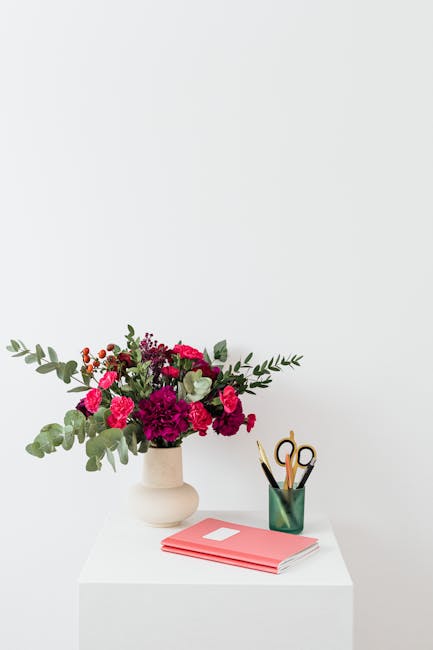
Instead, they chose a mid-sized vase-ready subscription with a simple colour palette: soft whites, muted pinks, and a bit of green. The arrangement sat on reception where clients could see it first, and the team asked for a slightly sturdier style that would last well indoors. They also made one person responsible for water top-ups on delivery days, which sounds minor, but it kept the whole thing running smoothly.
After the first month, they noticed something practical: visitors paused when they entered, looked at the flowers, and the office just felt calmer. Staff started leaving the reception area tidier too. That is not a formal metric, obviously, but it says something. The flowers encouraged a little more care in the space around them.
The interesting bit is that they did not make the subscription more complicated. They simplified it. Fewer colours. Better scale. Clear access instructions. That was enough.
Practical checklist
Before you set up or renew an office flower subscription, run through this checklist. It takes a few minutes and can save a lot of back-and-forth later.
- Have you chosen the main purpose of the flowers: reception, meetings, morale, or brand image?
- Does the size suit the room rather than overpower or disappear in it?
- Is the delivery schedule realistic for how busy the office really is?
- Have you confirmed access details, opening times, and the right contact person?
- Are colour and fragrance preferences clearly stated?
- Will the arrangement work with office conditions like heating, light, and air conditioning?
- Is there a simple maintenance plan for water and cleanup?
- Do you know what happens if a delivery is delayed or the office is closed?
- Have you reviewed terms, guarantees, and refund information where relevant?
- Have you planned a review after the first few deliveries so you can tweak the service if needed?
If most of those boxes are ticked, you are in good shape. If not, do not worry. Better to spot it now than after the first arrangement arrives and everyone is standing around saying, "Hmm, where should this go?"
Get a free quote today and see how much you can save.
Conclusion
The best Thamesmead office flower subscriptions are not necessarily the fanciest ones. They are the ones that match the space, the schedule, and the way people actually use the office. That is the real insider tip. Keep it practical, keep it consistent, and do not be afraid to adjust after a couple of deliveries.
Whether you want a polished reception, a calmer meeting room, or just a small lift in the middle of a busy week, the right subscription can do a lot with very little fuss. And that, in a working office, is usually the whole point. Small detail. Big difference.
Take your time with the brief, trust the room you are working with, and choose the subscription that feels sustainable rather than impressive for one day. The right flowers have a way of making a place feel looked after. That feeling lasts.
Frequently asked questions
What is an office flower subscription?
It is a recurring flower delivery service for workplaces. You choose the style and frequency, and fresh flowers arrive on a regular schedule so the office stays presentable without repeated one-off ordering.
How often should a Thamesmead office get flower deliveries?
That depends on footfall, room temperature, and how visible the flowers are. Busy client-facing offices often benefit from weekly deliveries, while quieter spaces may only need fortnightly or monthly refreshes.
Are vase-ready arrangements better for offices?
Often, yes. Vase-ready arrangements reduce handling, save time, and are easier for reception teams or busy staff to manage. They are a sensible choice if nobody has time to arrange stems on arrival.
What flowers last longest in an office setting?
That varies, but sturdier seasonal stems usually cope better with office conditions than very delicate blooms. A florist can guide you toward options that suit warmer rooms, air conditioning, or lower light.
Can office flower subscriptions be tailored to brand colours?
Yes, usually. Many businesses choose a palette that complements their branding or interior design. Soft whites, greens, pinks, and mixed seasonal tones are common, but a good brief can go much further.
What should I tell the florist before starting a subscription?
Share the office address, delivery access details, opening hours, preferred colours, fragrance preferences, budget range, and where the flowers will sit. The more practical detail you give, the better the result tends to be.
How do I make sure flowers do not become a hassle?
Keep the arrangement size realistic, choose a suitable delivery frequency, and assign a simple maintenance routine. If the flowers are making work harder, the subscription needs adjusting. It should help, not add another job.
Are there office-friendly options for people with allergies?
Yes. You can request lower-scent arrangements and avoid particularly pollen-heavy flowers. It is worth mentioning this upfront if the office has shared spaces or known sensitivities.
Is a subscription better than ordering flowers as needed?
For many offices, yes. A subscription creates consistency, reduces admin, and often gives better value than repeated ad hoc orders. That said, if your office only wants flowers for occasional events, one-off orders may be more suitable.
What happens if the office is closed when a delivery arrives?
That depends on the florist's delivery process and the access instructions you provide. It is best to confirm how missed deliveries are handled before you start, so there are no surprises later.
Can subscriptions be used for more than reception areas?
Absolutely. Some offices place flowers in meeting rooms, breakout areas, or corridor spaces. One well-placed arrangement can lift a dull area surprisingly well. No need to overdo it, though.
How do I know if I am overpaying for office flowers?
Check whether the arrangement size, quality, and delivery schedule match your needs. If flowers are too large for the space, arriving too often, or not lasting long enough, the value is probably off. A review after the first few deliveries usually tells you a lot.


